
News
Answers
Guides
Search

News
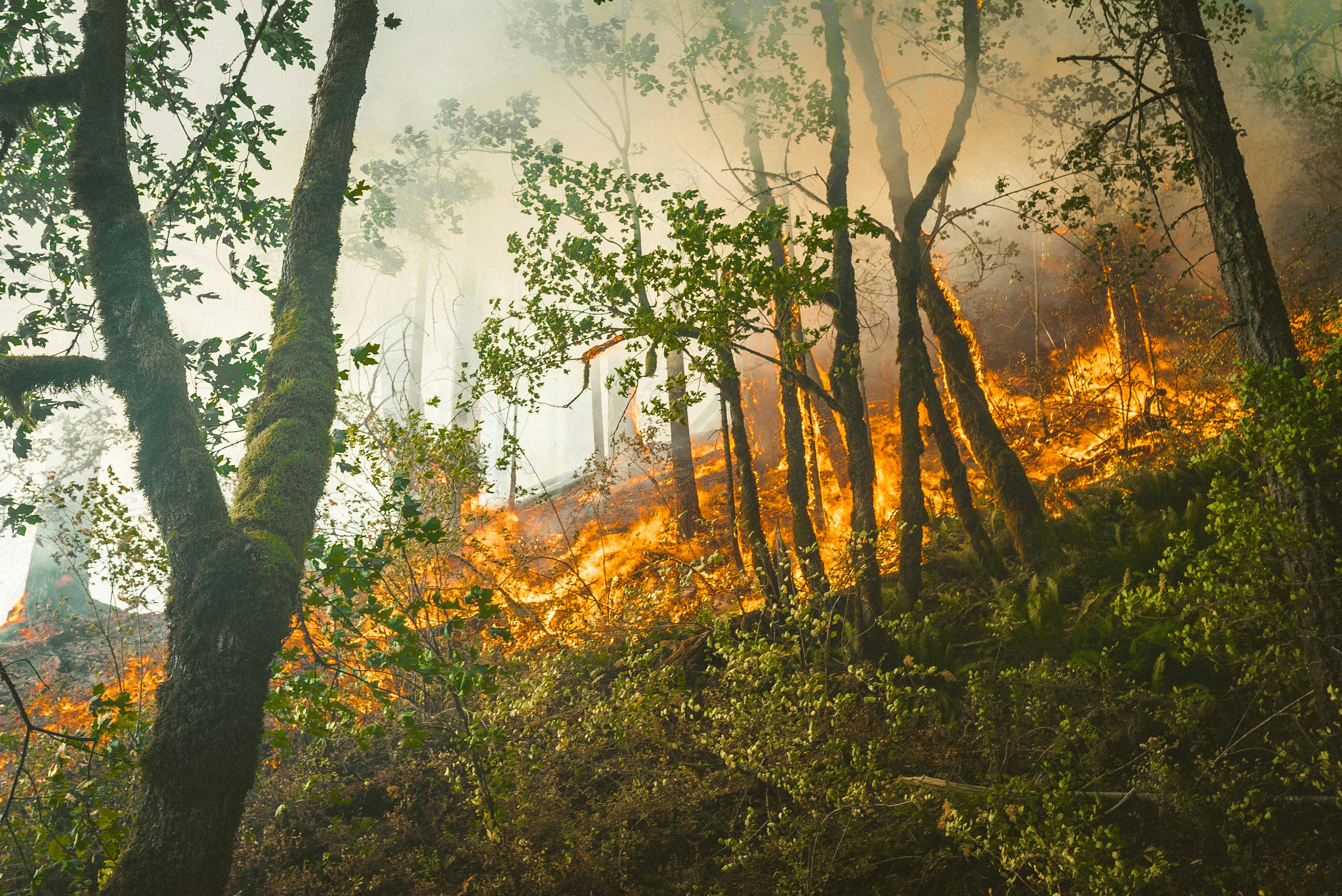
After a wildfire takes your home, document before you clean up. Film every room before anything moves, start a room-by-room contents inventory, and keep every living-expense receipt. Report the loss in a short call without guessing at cause, take your full time on the proof of loss, and call a lawyer if the claim is denied, delayed, or far below your contractor’s bids.
Answers
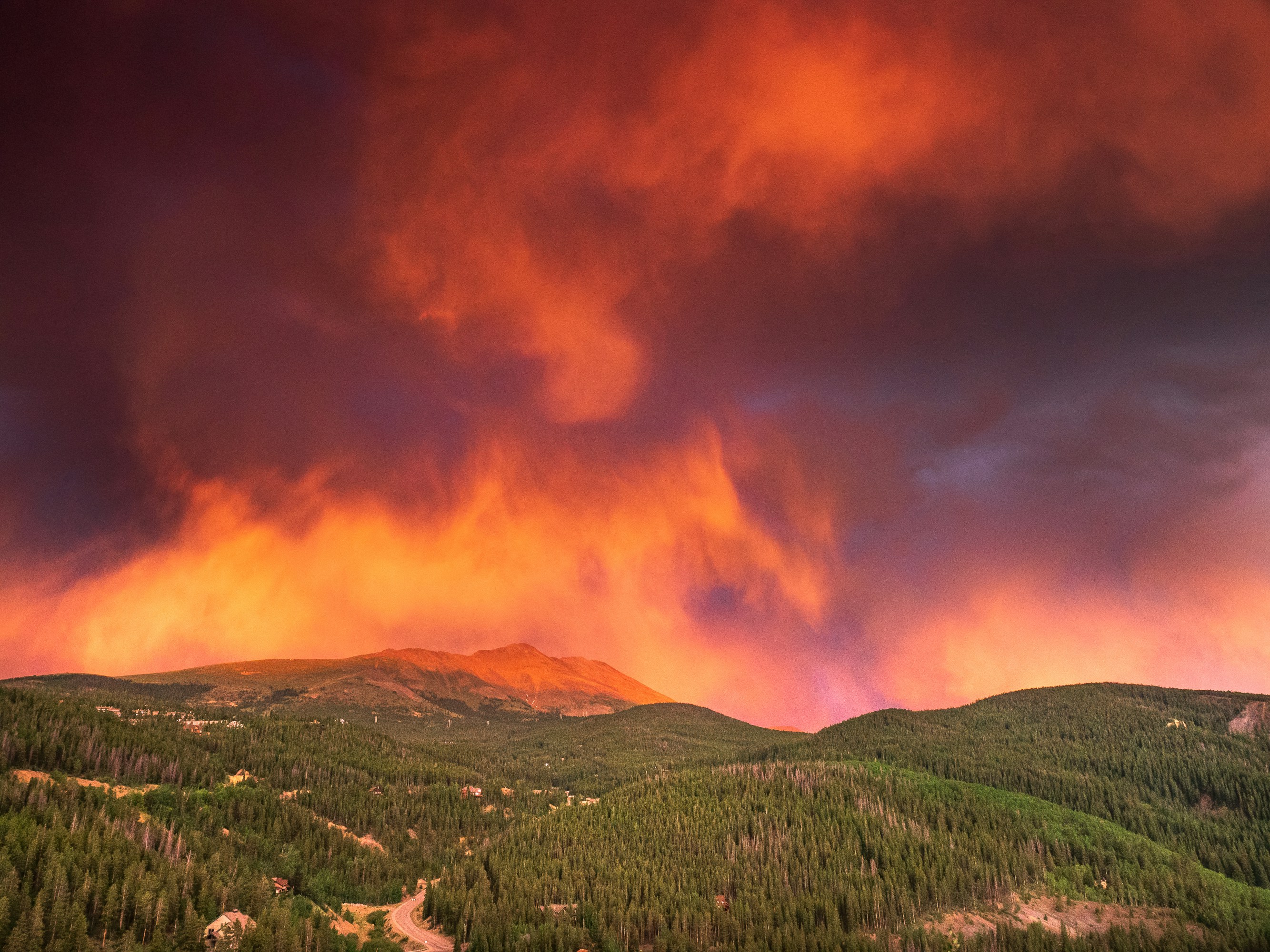
Yes: fire is a named peril on a standard HO-3 policy, so wildfire damage to your Colorado home is covered. The harder question is whether your limits will pay for a rebuild. After the Marshall Fire, hundreds of families found they were underinsured by six figures. Check your dwelling limit against today’s building costs, and ask about extended replacement cost and ordinance-and-law coverage.
Guides
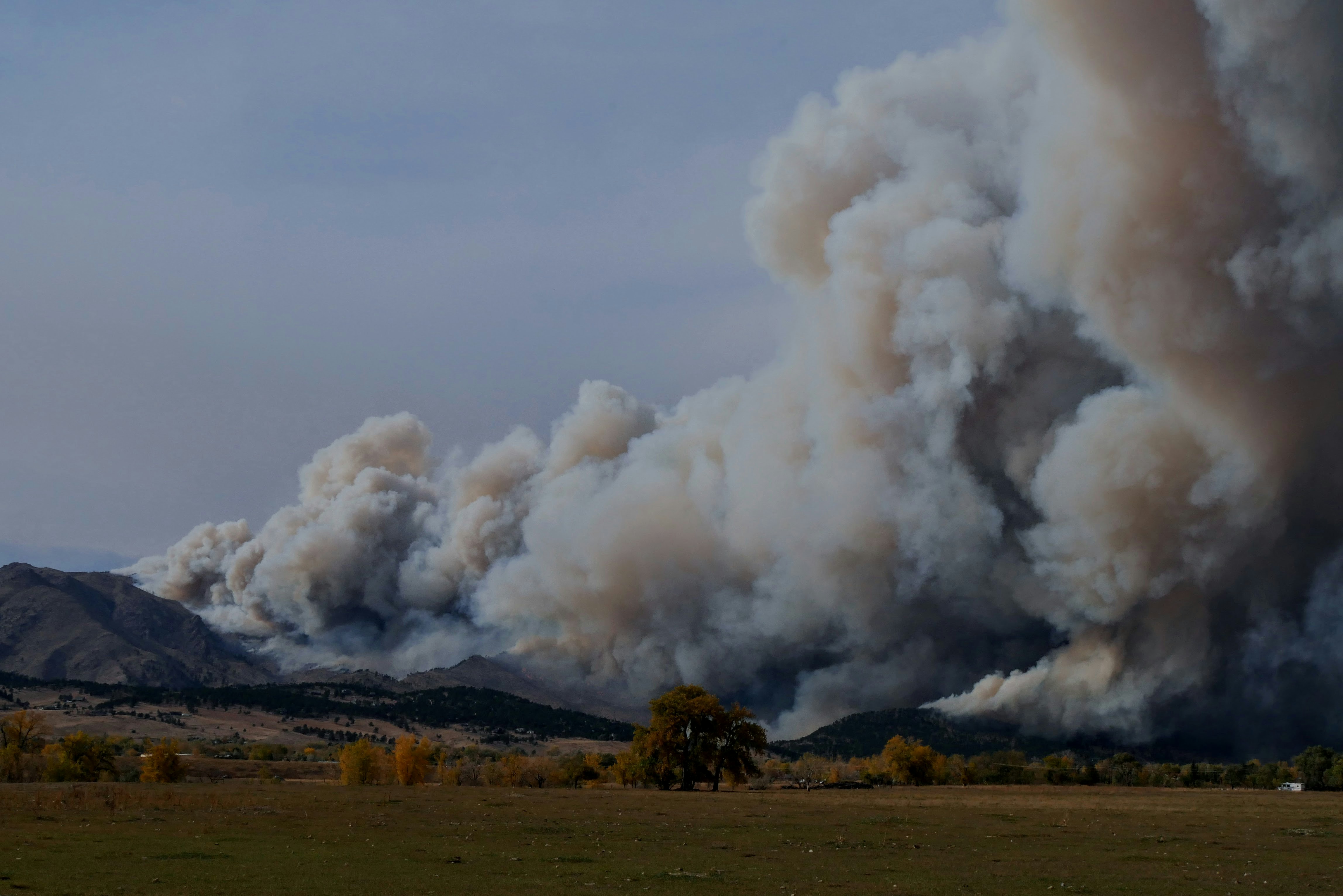
Before fire season peaks, pull your declarations page and check whether your dwelling limit would actually rebuild your home. Ask your agent about extended or guaranteed replacement cost, ordinance and law coverage, and how long loss-of-use pays. Then video every room and store the inventory off-site. With federal disaster aid less certain in 2026, your own policy may be the only backstop you have.

News
Colorado lost 162 motorcyclists in 2024, up 23 percent from the year before, and motorcyclists account for 24 percent of its traffic deaths. Wear a full-face helmet even though Colorado requires one only for riders under 18, watch for cars turning left, and scan mountain passes for gravel and wildlife. After a crash, expect the insurer to blame you and lowball the settlement.
Guides
Check now whether your homeowner’s policy would pay to rebuild your house at today’s prices. After the Marshall Fire, 74 percent of affected homeowners were underinsured. Confirm your dwelling limit reflects replacement cost, ask whether wildfire is excluded or carries a higher deductible, check that living-expense coverage would last 24 months, and video every room before fire season.

Guides
In Colorado, the driver who caused the crash owes your losses, and you collect them through that driver’s insurer: medical bills, lost wages, vehicle repair, and pain and suffering. Photograph the scene, get the police report, and see a doctor right away. Give the insurer only the basics, push back on a low first offer, and file suit within three years if talks stall.

News
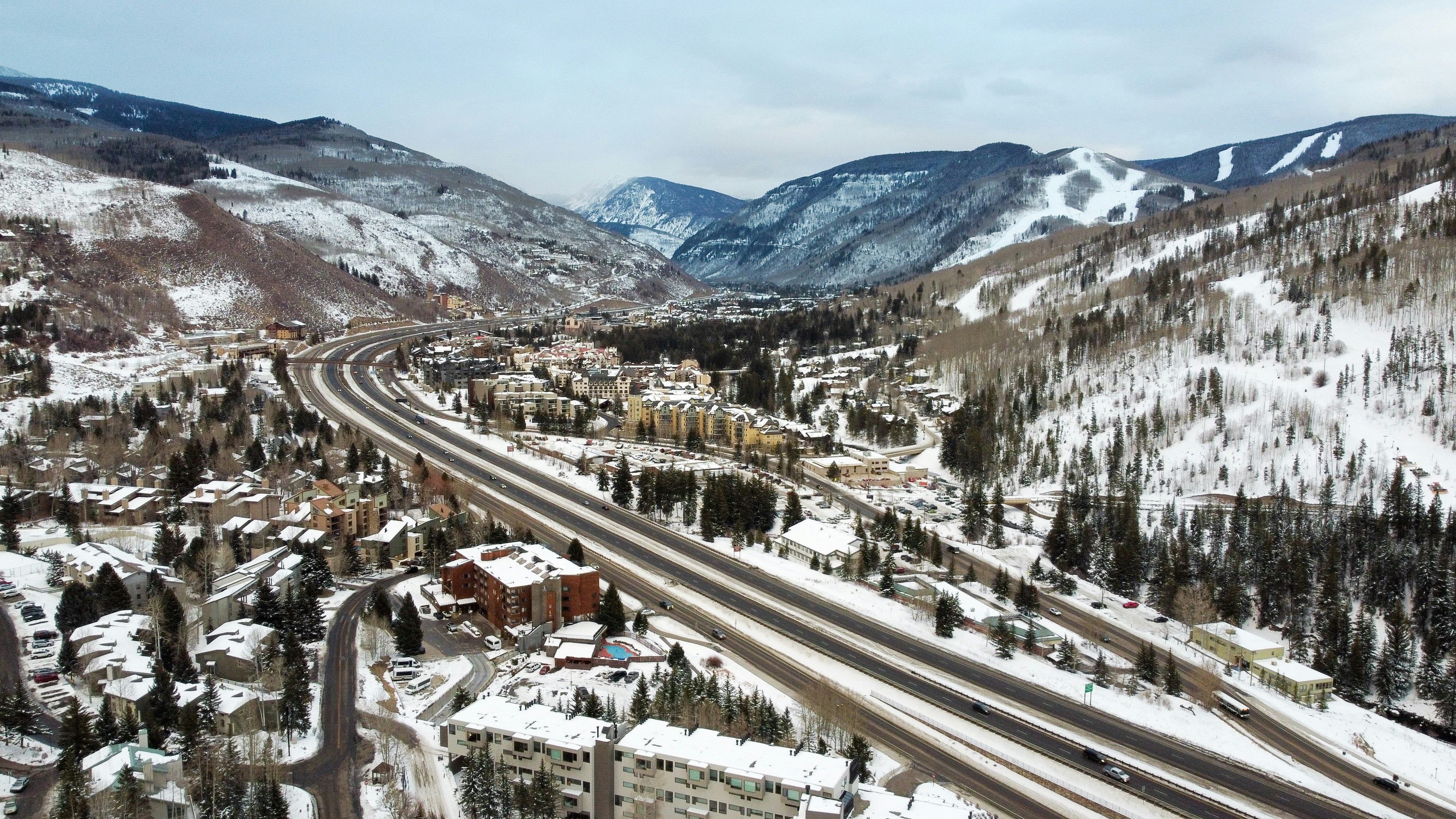
Truck crashes on I-70 through the Western Slope tend to come from the same few causes: steep grades and sudden mountain weather, drivers pushing past federal hours-of-service limits, worn brakes and tires, and speed or distraction on tight delivery schedules. Federal safety data shows large trucks are disproportionately involved in fatal crashes, and stretches like Vail Pass demand the most from a driver.
Answers
To check whether Vail Pass is open, use CDOT’s road conditions site and live I-70 cameras, or dial 511 anywhere in Colorado for closures around the clock. Check the National Weather Service forecast before you leave. The pass closes for snowstorms, black ice, high winds, crashes, avalanche control, and road work. If officers close the road, follow their detour.
Guides
You can sue your insurer when it breaks the policy’s promises or unreasonably delays or denies a valid claim. Before filing, reread your policy, gather every record and letter, and send a written demand. If a court finds the denial unreasonable, Colorado’s bad-faith statute lets you recover two times the covered benefit plus attorney fees, on top of the benefit.

Answers
You can sue for emotional distress in Colorado, and the bar is high. You have to show conduct that was extremely reckless or far outside what’s acceptable, severe distress, and a clear link between them. Therapy records, a mental health professional’s testimony, and witnesses who saw you change carry the case. Most injury claims must be filed within two years, three for car crashes.
Answers
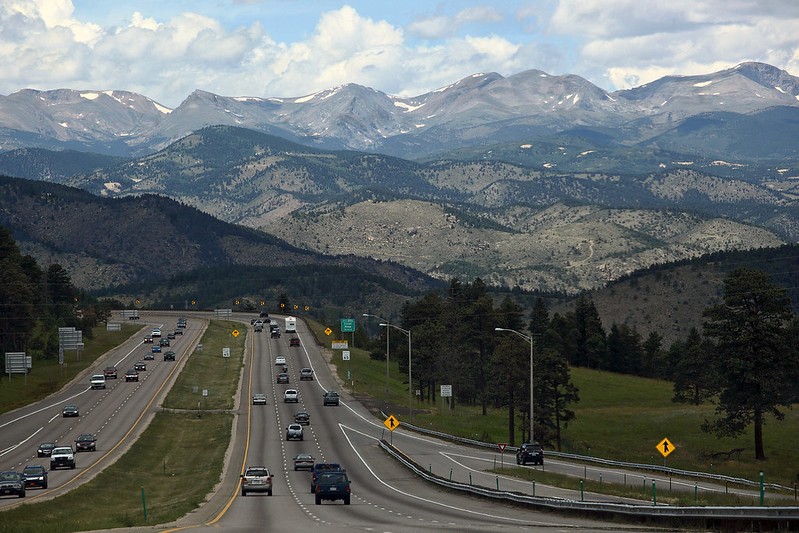
To find out if I-70 is closed, check CDOT’s travel information site or mobile app for live closures and traffic cameras, and the National Weather Service for the forecast. Closures usually come from winter storms, crashes, avalanche control near the Eisenhower Tunnel, and hazmat convoys. A closure can last 15 minutes or several hours, so check before you leave and know the traction law.
Answers
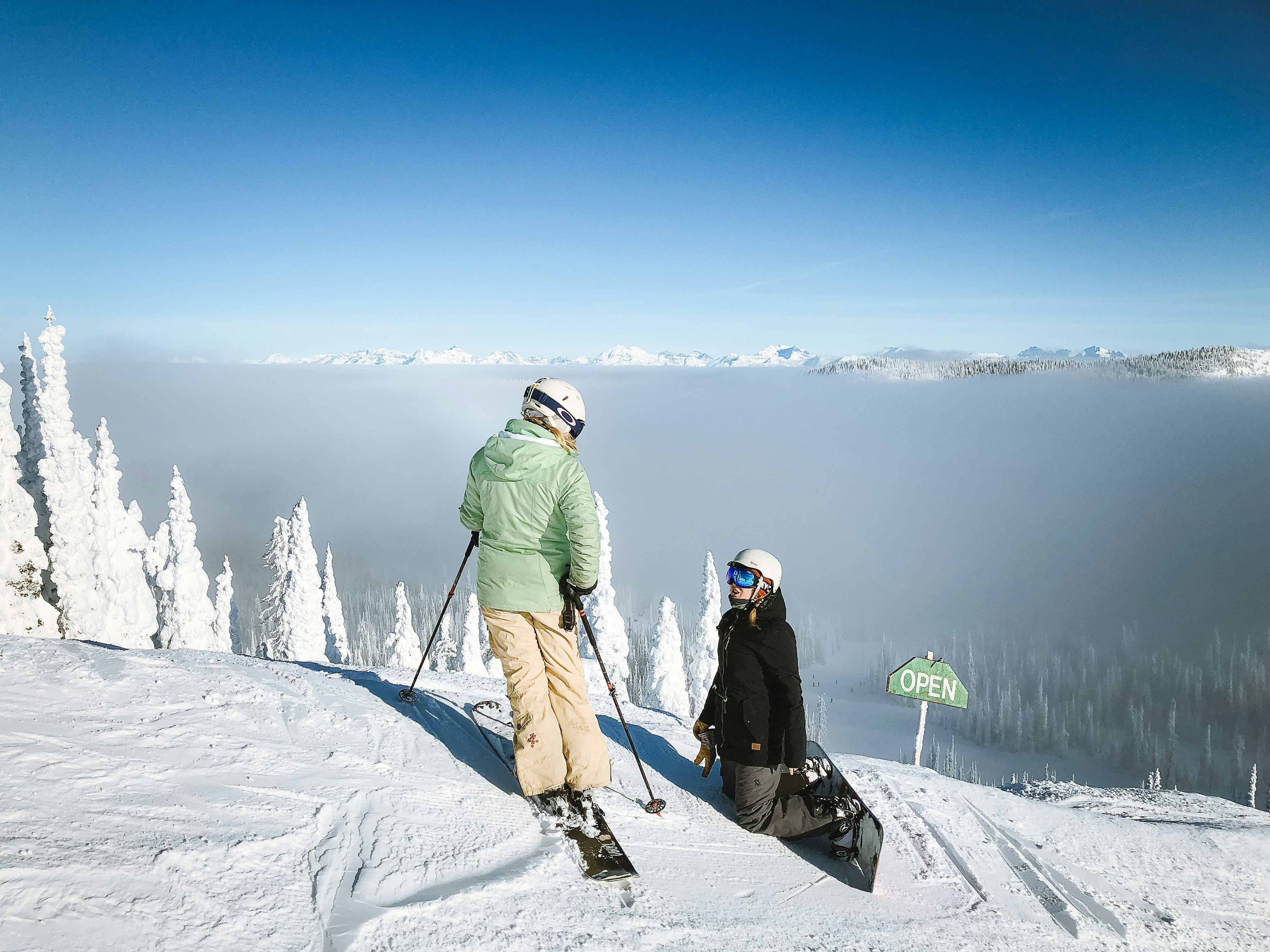
Who pays after a Colorado ski accident depends on who caused it. The uphill skier has the duty to avoid those below, and one who collides through careless skiing can be liable, often through a homeowner’s or renter’s policy. A resort answers for its own negligence, such as a poorly maintained lift or a missing hazard warning. Skiing’s inherent risks fall on the skier.
Answers
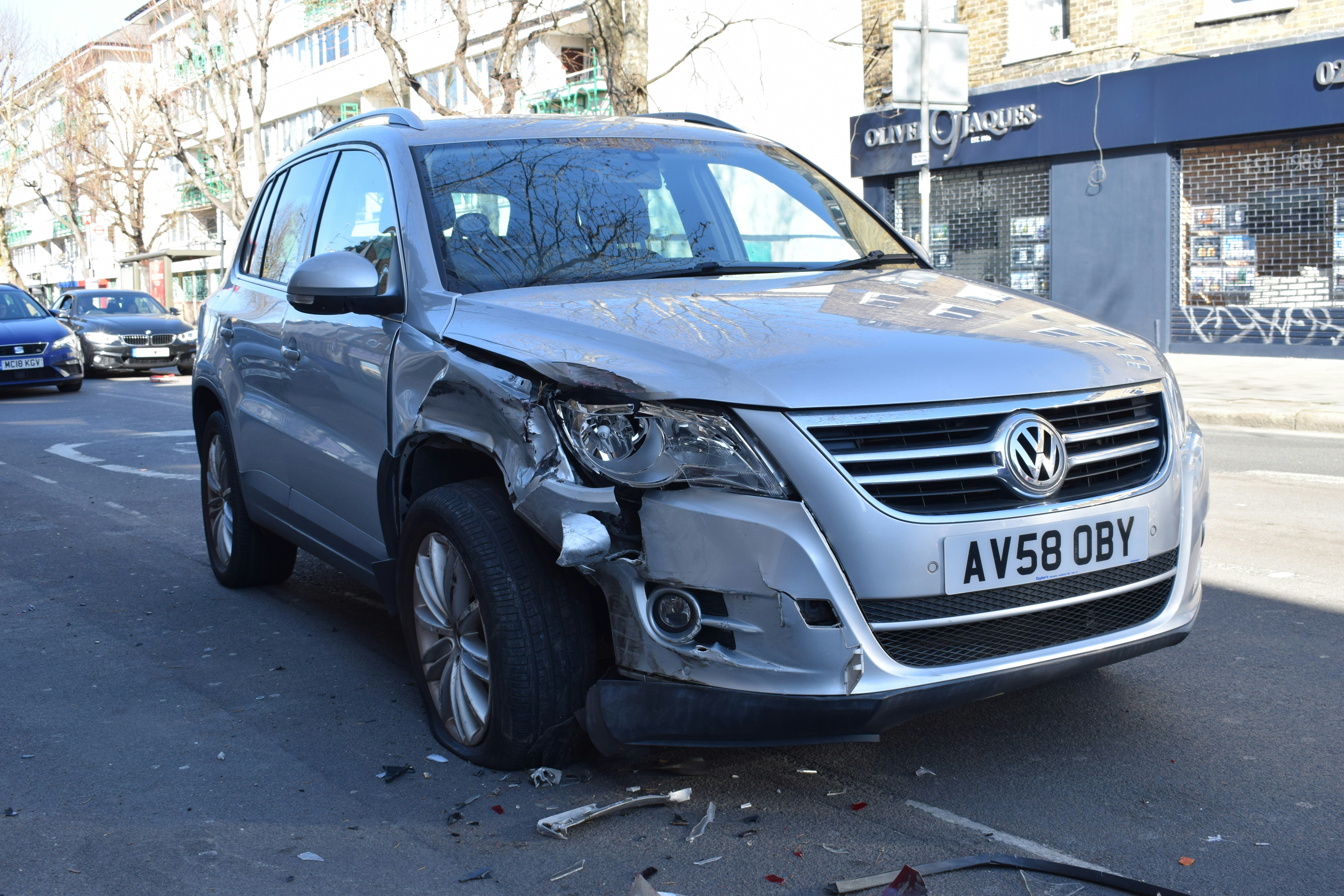
Call a lawyer after a car accident when someone is badly hurt, the vehicle damage is substantial, or anyone disputes who caused the crash. Colorado lets you recover even if you were partly at fault, and insurers use that rule to shrink claims. A lawyer takes over the adjuster calls, gathers the police report and witness statements, and puts a full number on your damages.
Answers
Usually, yes. When a driver hits you, the driver’s liability coverage pays your medical bills, lost wages, and pain and suffering, and your own uninsured/underinsured motorist coverage can fill the gap if that driver carries too little. Health insurance helps with treatment. Report the crash to your insurer quickly, and remember Colorado gives you three years to sue when a car was involved.
Guides
You don’t have to accept a lowball offer on a fire claim. Review your policy’s replacement cost and living expense terms, get an independent contractor’s estimate, document the damage, and ask the insurer to explain why its number is lower. Colorado requires insurers to act in good faith, and an offer below your claim’s actual value is one sign of insurance bad faith.

Guides
A personal injury lawyer builds and presses your claim when someone else’s carelessness hurt you. That means investigating what happened, gathering police reports, medical records, and witness statements, and handling every call with the at-fault party’s insurer. If the insurer won’t settle fairly, the lawyer files suit and tries the case. On the Western Slope, knowing how local adjusters work matters.

News
Law Week Colorado named Nelson Waneka the Best Insurance Lawyer for Plaintiffs in its Barrister’s Best 2024 list. The annual list draws on nominations from fellow Colorado lawyers and the publication’s own research. The award recognizes his work for individuals and businesses fighting their insurers across Colorado, especially on the Western Slope, in cases from insurance bad faith to coverage disputes.

Answers
You can sue Uber directly only in narrow cases: it failed to vet or supervise a driver with a reckless history, its app helped cause the crash, or its insurer denied coverage. Most Uber crashes are paid through insurance, and the driver’s app status decides which policy applies. Once a driver is headed to a pickup or carrying a passenger, Uber’s coverage reaches $1 million.
Answers
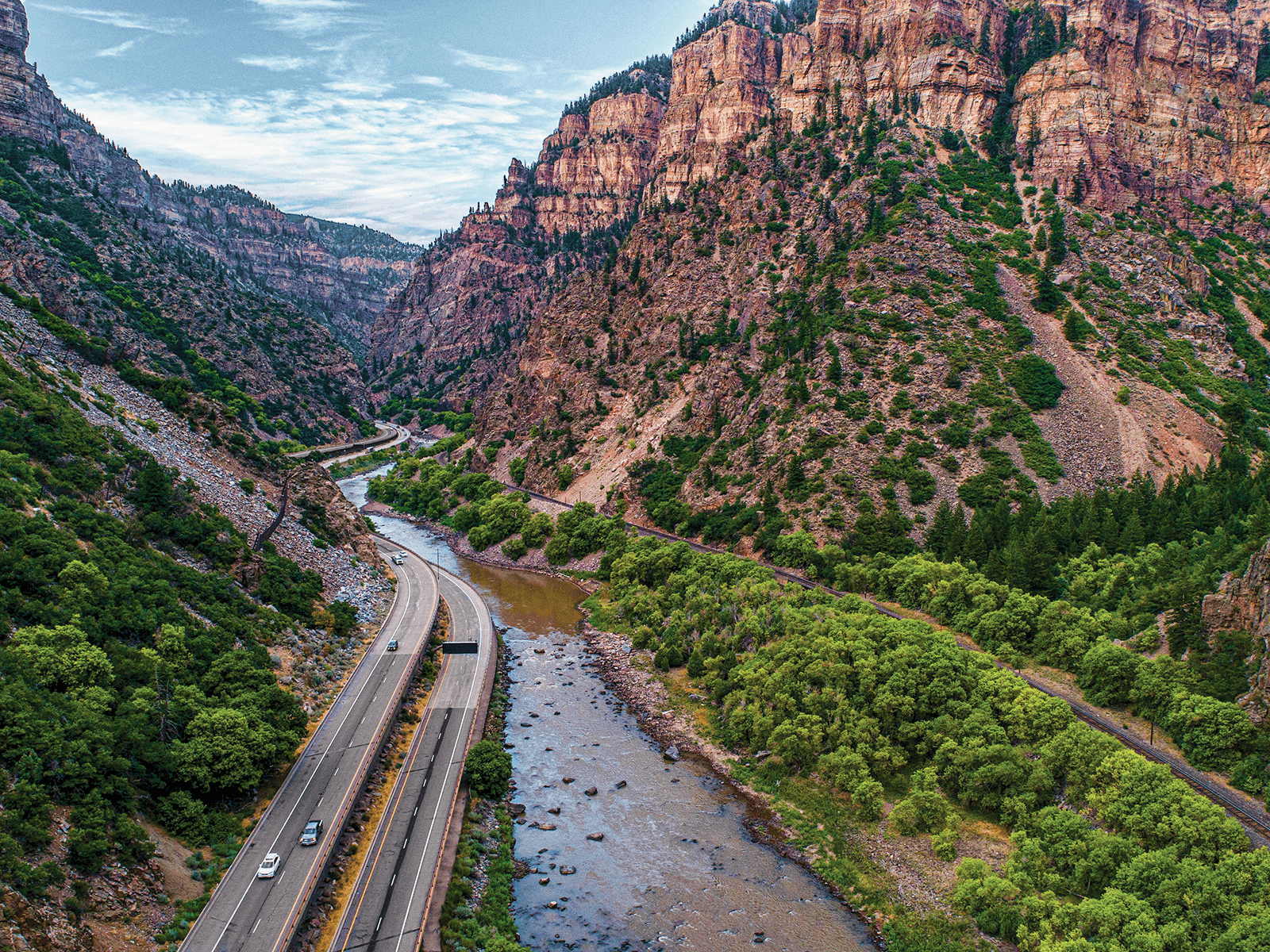
Glenwood Canyon packs sharp curves, steep grades, rockslides, fast-changing weather, and heavy truck and tourist traffic into 12.5 miles of I-70, and winter makes all of it worse. After a crash there, fault can involve the other driver, the weather, and the Colorado Department of Transportation’s road maintenance. Colorado lets you recover if you’re less than 50% at fault, reduced by your share.
News
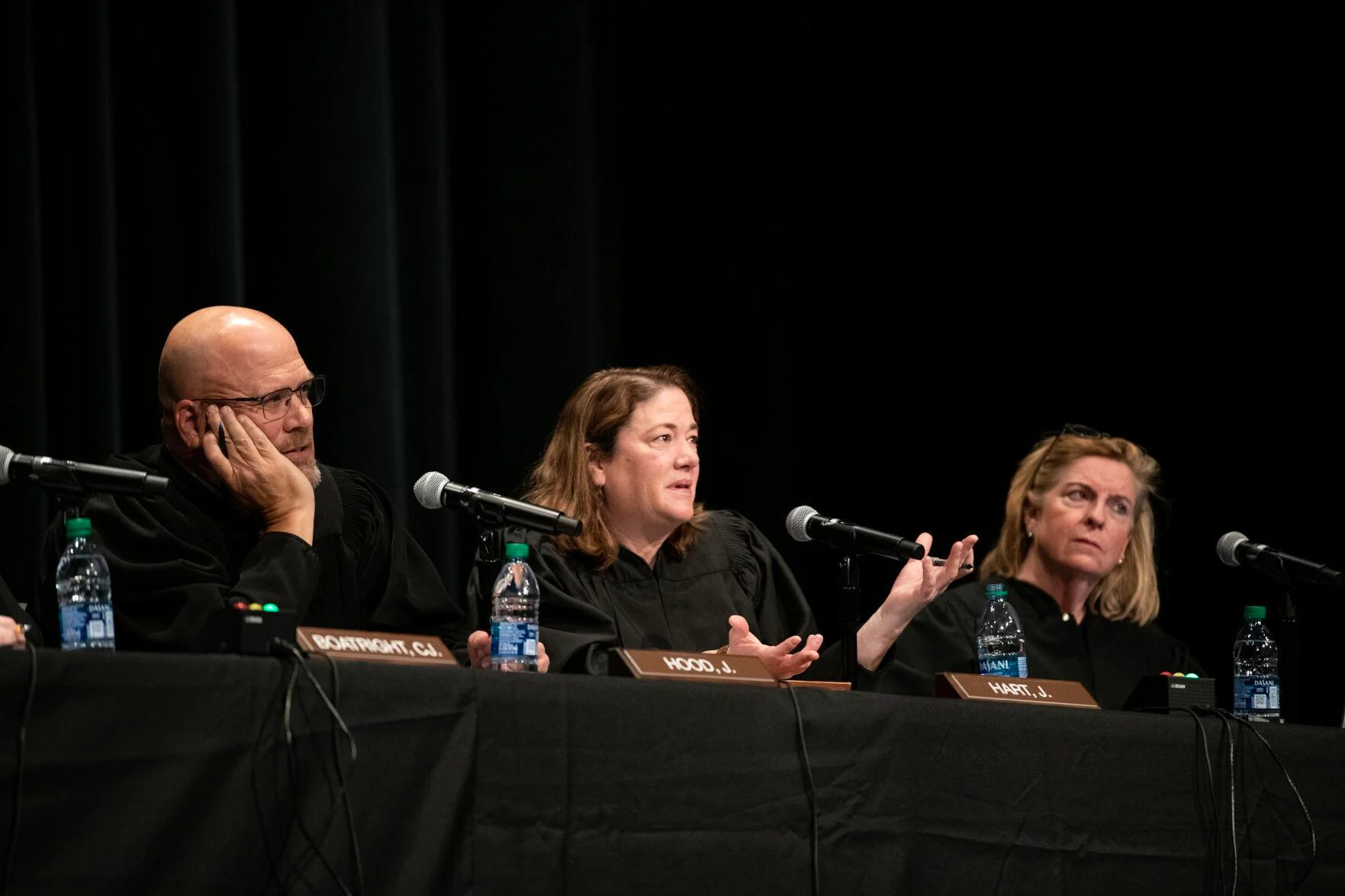
The Colorado Supreme Court ruled 7-0 in Klabon v. Travelers that the Workers’ Compensation Act does not bar an employee hurt on the job by a negligent third party from suing for underinsured motorist benefits. Nelson Waneka represented the worker, whose employer’s policy carried $1 million in underinsured coverage while Travelers paid $45,766. The ruling settles a split among lower courts.

Answers
Attorney fees alone for a civil appeal in Colorado can run $10,000 to $50,000 or more. On top of that, the Court of Appeals filing fee is about $223, and transcripts run $3 to $4 a page, often for hundreds of pages. Appeals take months or years, so weigh the cost against your realistic odds before you file.

Answers
In Colorado, most personal injury lawsuits must be filed within two years of the injury, or three years for a car accident. A claim against a government entity moves much faster and needs a formal notice of claim within 182 days. A work injury must be reported to your employer in writing within 10 working days. Courts enforce these deadlines strictly and rarely extend them.

Answers
You have three years from a Colorado car crash to sue for your injuries or vehicle damage. Disputes with your insurer run tighter: a claim that it broke the policy gets three years, but a bad-faith claim gets two, so file within two years to be safe. Your policy’s notice and proof-of-loss deadlines come sooner, sometimes within days or weeks.
Guides
Hire a lawyer who handles your kind of case, is licensed in Colorado, and will explain the fee before you sign. Check reviews and referrals, then meet with a few and ask about experience, strategy, and cost. Personal injury lawyers usually work on contingency, typically 35% of the settlement. Insurance lawyers vary, and some charge by the hour.

Answers
Hire a personal injury lawyer when your injuries are serious, when the other side disputes who was at fault, or when the insurer denies the claim or makes a low offer. A lawyer can investigate fault, put a value on the whole claim, including pain and suffering, and take the case to court if negotiation fails.

Guides
Injuries, serious property damage, or a dispute over fault are the signs you need a lawyer after a car accident. Colorado bars recovery if you’re 50% or more at fault and cuts it by your share below that, so the fault number matters. You have three years to sue over a car crash, and calling early preserves skid marks, vehicle damage, and witness statements.

Guides
A Colorado civil lawsuit starts with choosing the right court, which turns mostly on how much money is in dispute. You draft a complaint, file it with the clerk, and have a third party serve the defendant, who usually gets 21 days to respond. Discovery, motions, and trial follow. Most personal injury suits must be filed within two years.

Guides
To appeal an insurance denial, start with the denial letter. It should name the reason and the steps to appeal. Pull your policy, the claim forms, and every piece of correspondence, then send a written dispute that answers each reason with policy language and evidence before the insurer’s deadline. If the insurer still unreasonably refuses, an insurance bad faith claim may be the next step.

Guides
You sue an insurer by showing it broke the policy or handled your claim in bad faith: an unreasonable denial, a poor investigation, an unjustified delay, or a lowball offer. Read your policy and keep every letter, email, and call log. The complaint is filed in court and served on the insurer’s registered agent. Bad-faith suits generally must be filed within two years.

Guides
Look for a lawyer who has handled cases like yours, explains things in plain terms, and answers your questions. Meet with more than one before you sign. Most accident lawyers work on contingency, typically 35 to 40 percent of the recovery, so ask how the fee changes if the case goes to trial and who pays court and witness costs.
News
Answers
Guides
Search
News
After a wildfire takes your home, document before you clean up. Film every room before anything moves, start a room-by-room contents inventory, and keep every living-expense receipt. Report the loss in a short call without guessing at cause, take your full time on the proof of loss, and call a lawyer if the claim is denied, delayed, or far below your contractor’s bids.
Answers
Yes: fire is a named peril on a standard HO-3 policy, so wildfire damage to your Colorado home is covered. The harder question is whether your limits will pay for a rebuild. After the Marshall Fire, hundreds of families found they were underinsured by six figures. Check your dwelling limit against today’s building costs, and ask about extended replacement cost and ordinance-and-law coverage.
Guides
Before fire season peaks, pull your declarations page and check whether your dwelling limit would actually rebuild your home. Ask your agent about extended or guaranteed replacement cost, ordinance and law coverage, and how long loss-of-use pays. Then video every room and store the inventory off-site. With federal disaster aid less certain in 2026, your own policy may be the only backstop you have.
News
Colorado lost 162 motorcyclists in 2024, up 23 percent from the year before, and motorcyclists account for 24 percent of its traffic deaths. Wear a full-face helmet even though Colorado requires one only for riders under 18, watch for cars turning left, and scan mountain passes for gravel and wildlife. After a crash, expect the insurer to blame you and lowball the settlement.
Guides
Check now whether your homeowner’s policy would pay to rebuild your house at today’s prices. After the Marshall Fire, 74 percent of affected homeowners were underinsured. Confirm your dwelling limit reflects replacement cost, ask whether wildfire is excluded or carries a higher deductible, check that living-expense coverage would last 24 months, and video every room before fire season.
Guides
In Colorado, the driver who caused the crash owes your losses, and you collect them through that driver’s insurer: medical bills, lost wages, vehicle repair, and pain and suffering. Photograph the scene, get the police report, and see a doctor right away. Give the insurer only the basics, push back on a low first offer, and file suit within three years if talks stall.
News
Truck crashes on I-70 through the Western Slope tend to come from the same few causes: steep grades and sudden mountain weather, drivers pushing past federal hours-of-service limits, worn brakes and tires, and speed or distraction on tight delivery schedules. Federal safety data shows large trucks are disproportionately involved in fatal crashes, and stretches like Vail Pass demand the most from a driver.
Answers
To check whether Vail Pass is open, use CDOT’s road conditions site and live I-70 cameras, or dial 511 anywhere in Colorado for closures around the clock. Check the National Weather Service forecast before you leave. The pass closes for snowstorms, black ice, high winds, crashes, avalanche control, and road work. If officers close the road, follow their detour.
Guides
You can sue your insurer when it breaks the policy’s promises or unreasonably delays or denies a valid claim. Before filing, reread your policy, gather every record and letter, and send a written demand. If a court finds the denial unreasonable, Colorado’s bad-faith statute lets you recover two times the covered benefit plus attorney fees, on top of the benefit.
Answers
You can sue for emotional distress in Colorado, and the bar is high. You have to show conduct that was extremely reckless or far outside what’s acceptable, severe distress, and a clear link between them. Therapy records, a mental health professional’s testimony, and witnesses who saw you change carry the case. Most injury claims must be filed within two years, three for car crashes.
Answers
To find out if I-70 is closed, check CDOT’s travel information site or mobile app for live closures and traffic cameras, and the National Weather Service for the forecast. Closures usually come from winter storms, crashes, avalanche control near the Eisenhower Tunnel, and hazmat convoys. A closure can last 15 minutes or several hours, so check before you leave and know the traction law.
Answers
Who pays after a Colorado ski accident depends on who caused it. The uphill skier has the duty to avoid those below, and one who collides through careless skiing can be liable, often through a homeowner’s or renter’s policy. A resort answers for its own negligence, such as a poorly maintained lift or a missing hazard warning. Skiing’s inherent risks fall on the skier.
Answers
Call a lawyer after a car accident when someone is badly hurt, the vehicle damage is substantial, or anyone disputes who caused the crash. Colorado lets you recover even if you were partly at fault, and insurers use that rule to shrink claims. A lawyer takes over the adjuster calls, gathers the police report and witness statements, and puts a full number on your damages.
Answers
Usually, yes. When a driver hits you, the driver’s liability coverage pays your medical bills, lost wages, and pain and suffering, and your own uninsured/underinsured motorist coverage can fill the gap if that driver carries too little. Health insurance helps with treatment. Report the crash to your insurer quickly, and remember Colorado gives you three years to sue when a car was involved.
Guides
You don’t have to accept a lowball offer on a fire claim. Review your policy’s replacement cost and living expense terms, get an independent contractor’s estimate, document the damage, and ask the insurer to explain why its number is lower. Colorado requires insurers to act in good faith, and an offer below your claim’s actual value is one sign of insurance bad faith.
Guides
A personal injury lawyer builds and presses your claim when someone else’s carelessness hurt you. That means investigating what happened, gathering police reports, medical records, and witness statements, and handling every call with the at-fault party’s insurer. If the insurer won’t settle fairly, the lawyer files suit and tries the case. On the Western Slope, knowing how local adjusters work matters.
News
Law Week Colorado named Nelson Waneka the Best Insurance Lawyer for Plaintiffs in its Barrister’s Best 2024 list. The annual list draws on nominations from fellow Colorado lawyers and the publication’s own research. The award recognizes his work for individuals and businesses fighting their insurers across Colorado, especially on the Western Slope, in cases from insurance bad faith to coverage disputes.
Answers
You can sue Uber directly only in narrow cases: it failed to vet or supervise a driver with a reckless history, its app helped cause the crash, or its insurer denied coverage. Most Uber crashes are paid through insurance, and the driver’s app status decides which policy applies. Once a driver is headed to a pickup or carrying a passenger, Uber’s coverage reaches $1 million.
Answers
Glenwood Canyon packs sharp curves, steep grades, rockslides, fast-changing weather, and heavy truck and tourist traffic into 12.5 miles of I-70, and winter makes all of it worse. After a crash there, fault can involve the other driver, the weather, and the Colorado Department of Transportation’s road maintenance. Colorado lets you recover if you’re less than 50% at fault, reduced by your share.
News
The Colorado Supreme Court ruled 7-0 in Klabon v. Travelers that the Workers’ Compensation Act does not bar an employee hurt on the job by a negligent third party from suing for underinsured motorist benefits. Nelson Waneka represented the worker, whose employer’s policy carried $1 million in underinsured coverage while Travelers paid $45,766. The ruling settles a split among lower courts.
Answers
Attorney fees alone for a civil appeal in Colorado can run $10,000 to $50,000 or more. On top of that, the Court of Appeals filing fee is about $223, and transcripts run $3 to $4 a page, often for hundreds of pages. Appeals take months or years, so weigh the cost against your realistic odds before you file.
Answers
In Colorado, most personal injury lawsuits must be filed within two years of the injury, or three years for a car accident. A claim against a government entity moves much faster and needs a formal notice of claim within 182 days. A work injury must be reported to your employer in writing within 10 working days. Courts enforce these deadlines strictly and rarely extend them.
Answers
You have three years from a Colorado car crash to sue for your injuries or vehicle damage. Disputes with your insurer run tighter: a claim that it broke the policy gets three years, but a bad-faith claim gets two, so file within two years to be safe. Your policy’s notice and proof-of-loss deadlines come sooner, sometimes within days or weeks.
Guides
Hire a lawyer who handles your kind of case, is licensed in Colorado, and will explain the fee before you sign. Check reviews and referrals, then meet with a few and ask about experience, strategy, and cost. Personal injury lawyers usually work on contingency, typically 35% of the settlement. Insurance lawyers vary, and some charge by the hour.
Answers
Hire a personal injury lawyer when your injuries are serious, when the other side disputes who was at fault, or when the insurer denies the claim or makes a low offer. A lawyer can investigate fault, put a value on the whole claim, including pain and suffering, and take the case to court if negotiation fails.
Guides
Injuries, serious property damage, or a dispute over fault are the signs you need a lawyer after a car accident. Colorado bars recovery if you’re 50% or more at fault and cuts it by your share below that, so the fault number matters. You have three years to sue over a car crash, and calling early preserves skid marks, vehicle damage, and witness statements.
Guides
A Colorado civil lawsuit starts with choosing the right court, which turns mostly on how much money is in dispute. You draft a complaint, file it with the clerk, and have a third party serve the defendant, who usually gets 21 days to respond. Discovery, motions, and trial follow. Most personal injury suits must be filed within two years.
Guides
To appeal an insurance denial, start with the denial letter. It should name the reason and the steps to appeal. Pull your policy, the claim forms, and every piece of correspondence, then send a written dispute that answers each reason with policy language and evidence before the insurer’s deadline. If the insurer still unreasonably refuses, an insurance bad faith claim may be the next step.
Guides
You sue an insurer by showing it broke the policy or handled your claim in bad faith: an unreasonable denial, a poor investigation, an unjustified delay, or a lowball offer. Read your policy and keep every letter, email, and call log. The complaint is filed in court and served on the insurer’s registered agent. Bad-faith suits generally must be filed within two years.
Guides
Look for a lawyer who has handled cases like yours, explains things in plain terms, and answers your questions. Meet with more than one before you sign. Most accident lawyers work on contingency, typically 35 to 40 percent of the recovery, so ask how the fee changes if the case goes to trial and who pays court and witness costs.
You're not alone.
Work with an award-winning, experienced lawyer who can make a difference in your case.
Award-winning representation across Colorado's most complex injury and insurance cases.