Choosing the Best Construction Injury Lawyer for Your Case
Post date :

Founder, Western Slope Law




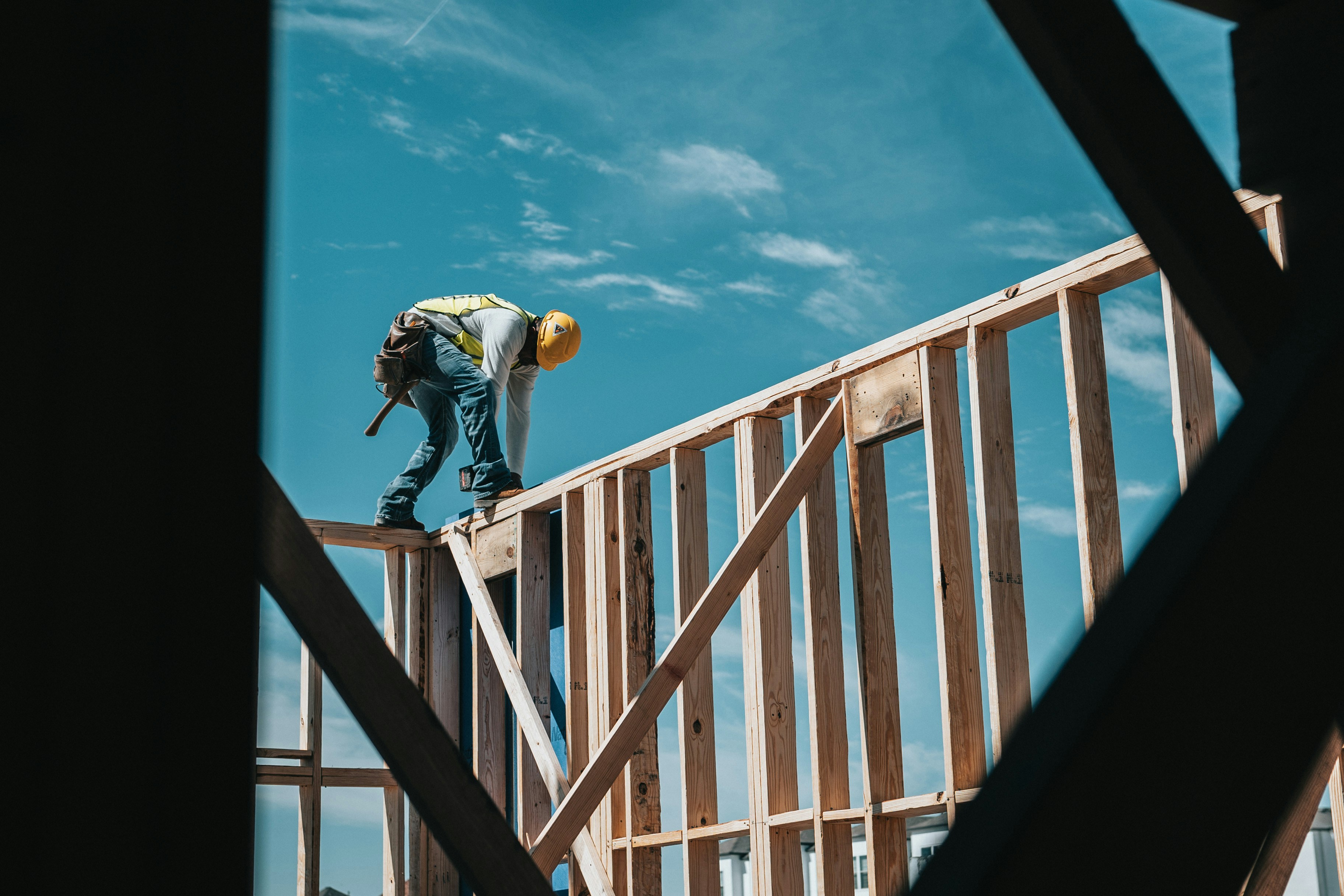
Construction sites rank among America's most dangerous workplaces, with one in five workplace deaths occurring in this industry alone. When you're injured on a construction site, the path to recovery involves more than just medical treatment—it requires navigating a complex legal landscape where multiple parties, insurance companies, and regulations intersect. Finding the right construction injury lawyer can mean the difference between a settlement that barely covers your medical bills and compensation that truly addresses your losses.
The stakes are particularly high in construction accidents. Unlike typical workplace injuries, construction incidents often involve catastrophic harm—traumatic brain injuries from falls, crushed limbs from equipment accidents, or severe burns from electrical mishaps. These life-altering injuries demand legal representation that understands both the immediate and long-term impacts on your life, career, and family.
Understanding the Complexity of Construction Injuries
The Reality of Construction Site Dangers
Construction workers face hazards that would make most professionals reconsider their career choice. Falls are the leading cause of construction deaths, accounting for 38.5% of all construction fatalities in 2023 in the industry. Beyond falls from scaffolding or roofs, workers contend with struck-by incidents involving cranes and falling tools, electrocution risks from exposed wiring, and caught-between accidents involving heavy machinery.
These accidents create more than statistics—they represent workers whose lives change in an instant. A roofer who suffers a spinal injury may never work again. An electrician with severe burns faces months of painful recovery and mounting medical bills. Understanding the scope of these injuries helps explain why construction accident cases require specialized legal expertise.
Untangling the Web of Liability
Construction sites operate like small cities, with multiple companies, contractors, and suppliers working simultaneously. This complexity creates unique challenges when determining liability after an accident. Your employer might bear responsibility for inadequate safety training, while a subcontractor could be liable for improperly securing equipment. Equipment manufacturers may share fault if their products contained defects.
Property owners also enter the liability equation. They have obligations to ensure safe working conditions, especially when they maintain control over the construction process. General contractors carry responsibility for coordinating safety measures across all subcontractors. Even architects and engineers can face liability if their designs create inherently dangerous conditions.
Workers' Compensation vs. Third-Party Claims
The distinction between workers' compensation and third-party claims often confuses injured construction workers. Workers' compensation provides immediate benefits without requiring proof of fault, covering medical expenses and a portion of lost wages. However, these benefits come with significant limitations—they don't compensate for pain and suffering, and the wage replacement typically covers only two-thirds of your regular income.
Third-party claims open doors to fuller compensation. When someone other than your employer contributes to your injury—whether it's a negligent subcontractor, equipment manufacturer, or property owner—you can pursue additional damages. These claims can recover compensation for pain and suffering, full lost wages, future earning capacity, and other damages that workers' compensation doesn't address.
Why You Need a Construction Injury Lawyer
Navigating Multi-Party Complexity
Construction accident cases resemble three-dimensional chess games where every move affects multiple pieces. Insurance companies representing different parties often point fingers at each other, creating a blame game that delays your compensation. Construction litigation typically involves multiple responsible parties — general contractors, subcontractors, equipment manufacturers, and property owners.
A construction injury lawyer understands how to coordinate claims against multiple defendants while protecting your interests. They know when to pursue parallel tracks—filing a workers' compensation claim while investigating third-party liability—and when to focus efforts on the most viable defendants. This strategic approach maximizes your potential recovery while avoiding procedural pitfalls that could jeopardize your claims.
Battling Insurance Company Tactics
Insurance companies protecting construction firms and contractors deploy sophisticated strategies to minimize payouts. They send adjusters to accident scenes within hours, gathering statements before injured workers consult attorneys. They request broad medical authorizations to search for pre-existing conditions. They make quick settlement offers that seem generous to workers facing immediate financial pressure but represent fractions of cases' true values.
Meeting Critical Deadlines
Time limits in construction injury cases create traps for unwary workers. Most states impose a two-to-three-year statute of limitations for personal injury claims, but workers' compensation deadlines often arrive much sooner. Some states require injury notification within days and claim filing within weeks or months.
Missing these deadlines can eliminate your right to any compensation. Construction injury lawyers track multiple deadlines simultaneously, ensuring compliance with workers' compensation requirements while preserving third-party claims. They also understand exceptions and extensions that might apply, such as discovery rules for latent injuries or tolling provisions for minors.
Questions to Ask During Your Consultation
Your initial consultation offers a critical opportunity to evaluate whether a lawyer can handle your case effectively. Come prepared with questions that reveal their experience and approach to construction injury cases.
How many construction accident cases have you handled in the past five years? Look for specific numbers and types of cases, not vague assurances of experience.
What were the outcomes of your most recent construction injury trials or settlements? Reputable lawyers share specific results while maintaining client confidentiality.
Who will actually work on my case day-to-day? Ensure you understand whether the lawyer you meet will handle your case or delegate to less experienced associates.
How do you structure your fees, and what costs might I incur? Most construction injury lawyers work on contingency, but understand what percentage they take and how case expenses are handled.
What is your assessment of my case's strengths and challenges? Honest lawyers acknowledge potential obstacles while explaining strategies to overcome them.
Avoiding Common Post-Accident Mistakes
Documentation and Reporting Failures
The hours immediately following a construction accident often determine case outcomes. Yet injured workers frequently make mistakes that complicate their claims. Failing to report injuries immediately raises questions about whether accidents actually occurred as claimed. Downplaying injury severity to appear tough creates records that insurance companies exploit to minimize damages.
Proper documentation starts at the accident scene. Report injuries to supervisors immediately, even if they seem minor initially. Insist on written accident reports and keep copies. Seek immediate medical treatment and describe all symptoms accurately. Take photographs of accident scenes, equipment, and injuries. These contemporaneous records carry more weight than later reconstructions.
Premature Settlement Decisions
Financial pressure after construction accidents creates vulnerability to quick settlements. Workers without legal representation often receive less than the full value of their claims than those who consult attorneys. Insurance adjusters exploit this pressure, offering modest sums that seem attractive to workers facing immediate bills but fail to account for future needs.
Resist settlement pressure until you understand your injuries' full extent and long-term impacts. Construction injuries often involve delayed complications—back injuries that require surgery months later, head injuries with cognitive effects that emerge gradually, or joint damage that accelerates arthritis. Accepting early settlements forfeits compensation for these future problems.
Communication Missteps
Insurance companies monitor injured workers' activities, searching for evidence to undermine claims. Social media posts showing physical activities, casual comments to adjusters about feeling better, or discussions with employer representatives about returning to work all become ammunition against your case. Even innocent statements get twisted to suggest exaggeration or fraud.
Protect your claim through disciplined communication. Direct all insurance company contacts to your lawyer. Avoid social media posts about your accident, injuries, or activities. Limit accident discussions to your legal team and medical providers. These precautions prevent creating evidence that undermines legitimate claims.
Finding the Right Lawyer for You
Construction injury law varies significantly by jurisdiction, making local experience invaluable. Lawyers familiar with local courts understand judge preferences, jury tendencies, and venue-specific factors affecting case values. They know which experts resonate with local juries and which arguments prove most persuasive in your community.
Western Slope Law's regional focus provides advantages beyond legal knowledge. Local lawyers understand the construction industry in your area—the major contractors, common safety practices, and typical insurance carriers. They maintain relationships with medical providers who treat construction injuries and understand the long-term challenges injured workers face. This community connection strengthens both case preparation and client support.
You're not alone.
Work with an award-winning, experienced lawyer who can make a difference in your case.
Award-winning representation across Colorado's most complex injury and insurance cases.