

›
Insurance Expert Witness
Colorado Insurance Expert Witness
An insurance expert witness explains to a judge or jury how a claim should have been handled: the adjusting standards, the way the industry applies the policy, the timeline. Then the expert shows where the insurer’s file departed from them. Nelson Waneka gives that testimony for policyholders’ counsel across Colorado.
The short answer
Send the claim file. We read it against the standards adjusters are trained on, tell you candidly whether it supports an opinion, and if it does, put that opinion in a report, a deposition, and on the stand.
Fees
Hourly for review, deposition, and trial time, against a retainer up front. Every engagement is quoted on its own file.
The role
What is an insurance expert witness?
An expert witness is someone a court lets give opinions, not just facts. A fact witness says what happened. An expert says what it means. In an insurance case, that means whether the company handled the claim the way a reasonable insurer would have.
That’s the job in one sentence. Under Colorado law, a jury may be told that an insurer owes its policyholder a duty of good faith and fair dealing, breached when the company delays or denies payment without a reasonable basis. Reasonable compared to what? To the way the industry actually adjusts claims. That comparison is what an insurance expert exists to make.
The qualification isn’t a certificate on a wall. The federal rule on expert testimony asks for knowledge, skill, experience, training, or education, the same words Colorado’s rule uses, and for opinions that rest on the facts of the case rather than on a résumé. Nelson opines on claims he’s read, against standards he’s tried cases on.
A consulting expert helps a lawyer understand the file and stays behind the curtain. A testifying expert signs a report and answers under oath. Nelson does both; counsel decides which. His background and appellate record are on the about page.
What the testimony covers
Four things an insurance expert testifies to.
Insurers rarely lose an insurance bad faith case on a single document. They lose it on a pattern, and the expert’s job is to show the jury that pattern against the standard.
1
Industry claim-handling standards
How a competent adjuster investigates, documents, evaluates, and communicates: the training manuals, the claims guidelines, the norms every carrier says it follows. The jury needs the yardstick before it can measure anything.
2
The file against those standards
Where this claim departed from the yardstick. The inspection that took twenty minutes, the estimate never reconciled with the contractor’s, the six weeks with nothing in the activity log. Specific, dated, and quoted from the insurer’s own notes.
3
How the industry applies the policy
What the policy means is the judge’s call. The expert speaks to how adjusters are trained to apply the exclusion the insurer is leaning on, and whether the reading in the denial letter is the one the industry actually uses. Custom and practice, offered on the reasonableness of the decision.
4
Reasonableness, and what the insurer knew
Whether the delay or denial had a reasonable basis, and what the adjuster knew when the decision was made. That’s the question a Colorado jury actually answers, and the one the rest of the testimony builds toward.
Have a file that needs one of these?
Plain answers
When does a policyholder case need expert testimony?
Not every case. A coverage dispute that turns on policy language alone is a question for the judge, and an expert who opines on what a contract means will usually get struck. The cases that need one are about conduct: delay, a lowball estimate, an investigation that skipped the obvious, a denial letter that doesn’t square with the file.
Here’s why. Colorado lists the claim-handling practices it defines as unfair: refusing to pay without a reasonable investigation, failing to explain a denial. A jury deciding whether a delay or denial was reasonable may be instructed on that list. Somebody has to tell the jury what a reasonable investigation looks like. That’s the expert.
Timing matters more than lawyers expect. An expert retained after discovery closes can only work with what’s in the file. One retained early can tell you which claims notes to demand and which adjuster to depose. The strongest opinions come from files where counsel called before the scheduling order, not after.
Besides this, Nelson still tries these cases for policyholders — the insurance claims work is the day job. That’s a feature. He’s cross-examined insurers’ experts on these standards, and he knows which opinions survive it.
How much does an insurance expert witness cost?
We won’t quote a number on a web page; an honest number depends on the file. A two-binder homeowner claim and a commercial loss with forty thousand pages of claims notes aren’t the same engagement.
What we can tell you is how it’s billed. That doesn’t change. Hourly, for file review, report writing, deposition, and trial time. A retainer up front, applied against those hours. Fees are quoted per engagement, in writing, before any work starts. That quote is one of the things you’ll disclose.
Two rules of the road affect the budget. In federal court, a retained expert must sign a written report stating every opinion, its basis, the facts considered, and the fee arrangement. And the party that deposes an expert ordinarily pays the expert a reasonable fee for that time — the insurer’s lawyers, in other words, when they depose yours.
Send the claim file.
The policy, the claims notes, the correspondence, and your scheduling order. That’s enough for a candid read and a quote.
Results
The same standards, argued from the policyholder’s chair.
Three insurance results from Nelson’s own cases as policyholders’ counsel. The opinions he gives as an expert are the ones he’s staked his own cases on.
$22.2M
appraisal award · historic mansion
The insurer valued the loss at roughly $80,000 and drew its line under $500,000. The appraisal process ended with an award of $22.2 million.
$6.75M
settlement · hail damage
An apartment complex’s hail claim the insurer paid a fraction of. A few days before trial, it sent a check for every dollar demanded.
$2.3M
settlement · refusal to defend
A home builder’s liability insurer refused to defend it. After a summary judgment ruling that coverage was owed, the case settled.
Every case is different; past results don’t guarantee future outcomes.
Deposition
What happens during an expert witness deposition?
The insurer’s lawyer gets a day to take the expert’s opinions apart under oath, on the record, with no judge in the room. The deposition is the whole event. It happens after the expert’s report is served and before trial, with a court reporter and often a camera.
The questions run in a predictable order. Qualifications first, then everything the expert reviewed, then each opinion and its basis, then the fee. In federal court the deposition is limited by default to one day of seven hours, and the lawyer taking it will spend most of them looking for one thing: an opinion that goes past what the file supports.
Here’s what a good expert does with that day. Answers the question asked and stops. Concedes what the file doesn’t show, because a concession on the record beats a stretch that gets read back at trial. Keeps every opinion tethered to a page number. The depositions that hurt are the ones where an expert defended a résumé instead of a file.
The transcript is the product. Whatever’s in it can be read back to you in front of the jury. Prepare for it like trial. It is trial, on paper.
Your expert
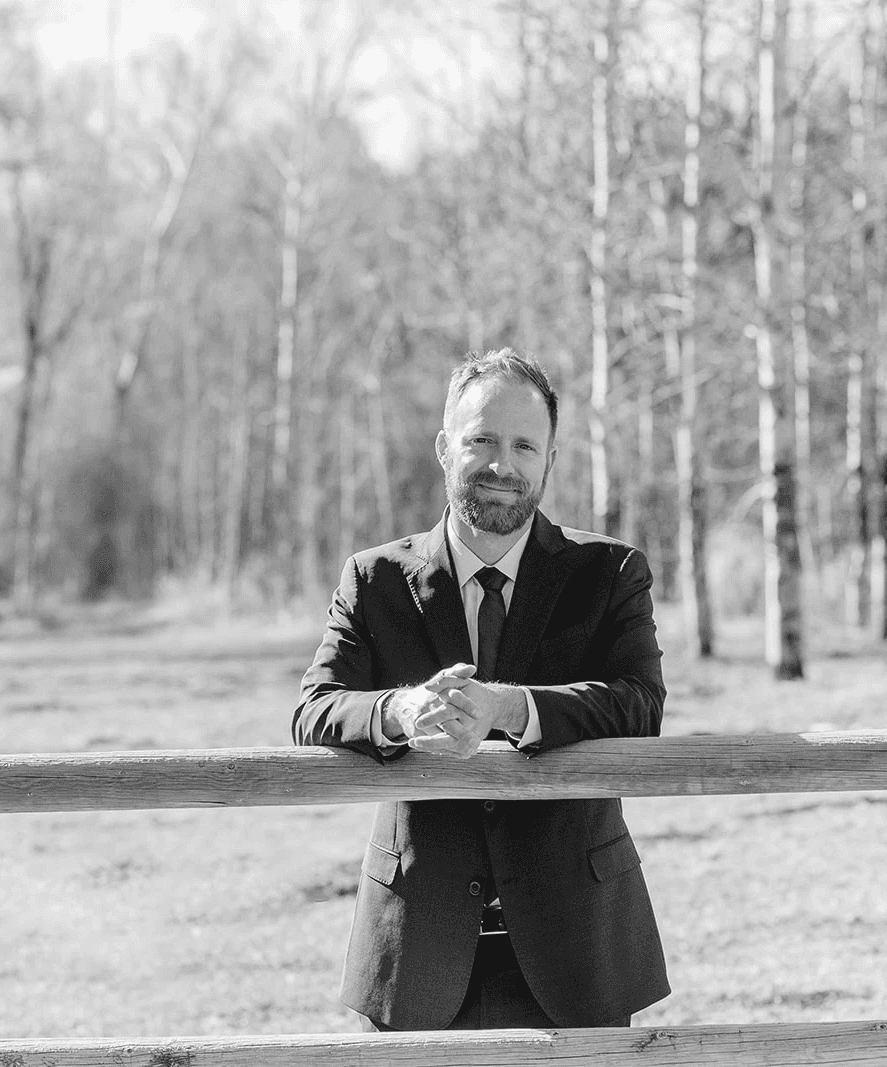
Nelson Waneka
Nelson has handled insurance bad-faith cases across Colorado since 2010 — tried to Garfield County juries, argued at the Colorado Court of Appeals, where he once clerked, and settled in the negotiation rooms where most claims actually resolve. He testifies on claims-handling standards for policyholders’ counsel in cases he isn’t trying himself. Best Lawyers has named him “Lawyer of the Year” for Insurance Law twice, and he co-chaired the Colorado Trial Lawyers Association’s Insurance Bad Faith Committee. He’s spent his whole career on one side of the table: the policyholder’s.
Best Lawyers “Lawyer of the Year,” Insurance Law (2×) · Chambers USA ranked · Colorado Super Lawyers Top 100
Based in Glenwood Springs. Available to retaining counsel statewide, in Colorado state or federal court.
From a fellow attorney
“Nelson Waneka is one of Colorado’s best lawyers. He’s the lawyer other lawyers turn to when they need help, including me. Nelson and I worked side-by-side for years early in our careers, and I was (and remain) extremely impressed with his knowledge and skill. More importantly, Nelson is a caring and compassionate human being who fights for his clients against insurance company greed. You’d be hard pressed to find a finer lawyer.”
Google review · Timothy Garvey, attorney
The claim file tells a story. We tell the jury which parts matter.
Policyholder side only. Fees quoted per engagement.