
Commercial Hail Damage Claims in Colorado: Getting the Full Loss Paid
Reviewed by
Nelson Waneka
Updated
If hail damaged your business property in Colorado, document every building now: dated photos, a roofing contractor’s written inspection, and a log of everything the insurer says and does. Colorado’s bad-faith law protects businesses as well as homeowners, and a hail claim denied or underpaid without a reasonable basis can carry a penalty on top of the benefit.

Hail doesn’t hit a commercial property once. It hits every roof section, every rooftop unit, every skylight and gutter run on the parcel in the same storm, and then the insurer decides how much of it the adjuster saw. If your business took hail damage in Colorado, start the file today: dated photos of every building, a roofing contractor’s written inspection, and a record of every call, visit, and letter from the first notice on.
Does commercial property insurance cover hail damage?
Usually, yes. Hail is a covered peril on most commercial property forms, and the damage it does to roof membranes, metal panels, rooftop HVAC, skylights, siding, and glazing is the kind of sudden physical loss those policies are written for. The fight is rarely whether hail is covered. It’s what the policy does with it.
Read three parts of yours before you argue anything. First, the deductible: many commercial policies carry a separate wind and hail deductible, often written as a percentage of the building’s insured value instead of a flat dollar figure. Second, the valuation: replacement cost or actual cash value, and whether you have to finish the repair before the insurer releases the rest. Third, the endorsements. Some commercial policies, often on metal roofs, carry a cosmetic damage exclusion or endorsement that drops coverage for dents that change how the roof looks but not how it works. Those clauses are legal, and insurers use them. But “cosmetic” is a factual call — and a dent the adjuster labels cosmetic can sit right next to a split seam or a cracked panel that isn’t.
Matching is a policy question too. Some commercial forms address it, many don’t, and whether a roof that’s half new and half faded gets replaced as one turns on the policy’s language, not on the adjuster’s preference. The policy decides the claim.
How do I document commercial hail loss?
Building by building. A commercial hail claim is often several claims sharing a date (a warehouse, an office, a canopy, a row of rooftop units), and an insurer can treat the best-documented building as the whole loss. Give each structure its own file.
Start with dated photos and video of every roof section, rooftop unit, skylight, gutter, and downspout, before anyone repairs or tarps anything. Then get a licensed roofing contractor up there for a written, line-item inspection. Pull the roof’s history: installation date, warranty, prior repairs, prior claims, maintenance invoices. The insurer will ask whether the damage is old. Your maintenance records are the answer.
Weather data for the loss date belongs in the file. NOAA’s Storm Prediction Center keeps a public log of hail reports by time, size, and county, and NOAA’s Storm Events Database holds the longer record. A storm report near your building, on the date you reported, is hard to wave off.
And keep a log of the claim itself: every call, every visit, every name, every document request and the date you answered it. Colorado’s Division of Insurance expects a property insurer to decide or pay within sixty days of a valid and complete claim unless there’s a reasonable dispute. The regulator enforces that rule, not your lawsuit, and the regulation defines “valid and complete” narrowly. That’s why the log has to show what you sent and when. Meanwhile, mitigate: tarp the openings and keep every receipt, because your policy almost certainly requires reasonable steps to prevent further damage.
Why do commercial hail claims get underpaid?
Because the scope is big and every error multiplies. A pricing assumption that shorts one roof shorts every roof on the parcel. The patterns repeat: a repair-not-replace call on a membrane or panel system that can’t be spot-repaired, a cosmetic label stretched past the endorsement’s wording, depreciation that treats a sound roof as worn out, rooftop units skipped or blamed on age, and unit prices from a database nobody adjusted for mountain-town labor in Garfield County. Sometimes an engineer’s report blames an earlier storm nobody investigated.
Colorado’s unfair-claims law treats it as an unfair claim practice to refuse to pay without a reasonable investigation, or to offer a compromise without a reasonable explanation of its basis in the policy. The Division of Insurance enforces that list, not a private lawsuit. But in an insurance bad faith case, it’s the standard the insurer is measured against. Ask for the explanation in writing, and keep it.
When the only dispute is price, most commercial property policies carry an appraisal clause: each side names an appraiser, the two choose an umpire, and the panel sets the amount of the loss. It mostly settles how much, not whether the loss is covered. Read the clause with a lawyer before you invoke it; our underpaid claim page covers that fight. One result from our property practice was a $6.75M hail damage settlement. An apartment complex’s hail claim the insurer underpaid by millions. Days before trial, it paid every dollar we demanded. Every case is different, and past results don’t guarantee future outcomes; see more case results.
What should I do before the adjuster inspects my roof?
Be ready, and be there. Don’t skip the inspection or push it off. Your policy requires cooperation, and refusing access hands the insurer a second reason to deny. What you can do is make sure the inspection sees what your contractor saw.
Have your roofer on the roof with the adjuster. Walk every building, not a sample of them. Point out the rooftop units, the skylights, the soft metals, the spots your contractor marked. Ask who the inspector works for (a staff adjuster, an independent adjuster, or an engineering firm the insurer hired) and ask in writing for a copy of any report the inspection produces. Photograph what the adjuster photographs. If the insurer later asks for an examination under oath, sit for it; have a lawyer read the file first, and bring one to the exam. An inspection is evidence. Make sure it’s yours too.
When a hail underpayment becomes insurance bad faith
Businesses get the same protection homeowners do. Colorado’s bad-faith statute says an insurer may not unreasonably delay or deny payment of a claim for benefits owed, and it defines the claimant to include a corporation, partnership, or other legal entity. An insurer is allowed to be wrong about a hail claim. It isn’t allowed to be unreasonable about it. Paying for two buildings and withholding the third without a reason, ignoring a contractor’s scope it never rebutted, leaving a roof open through a season of “review”: that’s where an underpayment starts to look unreasonable, and where the line can get crossed.
When it’s proven, Colorado’s bad-faith penalty statute awards two times the covered benefit plus attorney fees and court costs, on top of the benefit itself, applied to the part the insurer wrongfully held back. You can also file a complaint with the Colorado Division of Insurance; it can’t award damages, but a regulator’s letter can move a stalled file. The full picture is on our insurance bad faith page and our property insurance claims page. The residential version of this fight is on the hail and windstorm damage page, and if the roof let water in, commercial water damage picks up the rest.
Watch the calendar. Colorado generally allows three years to sue on the insurance contract, and two on insurance bad faith. Commercial policies can write in a shorter suit-limitation period, though, and the homeowner protection that overrides those clauses doesn’t reach a business policy.
Bring the policy, both estimates, and the claim log. We’ll tell you whether the gap is a negotiation or a case. Nelson Waneka reads these files himself. Request a Consult or call (970) 200-2222. No fee unless we recover.
Not sure the insurer is treating you fairly?
Send us the letter and the policy. One call usually settles whether there’s a real dispute.
Request a Consult
Common questions
Reviewed by
Nelson Waneka
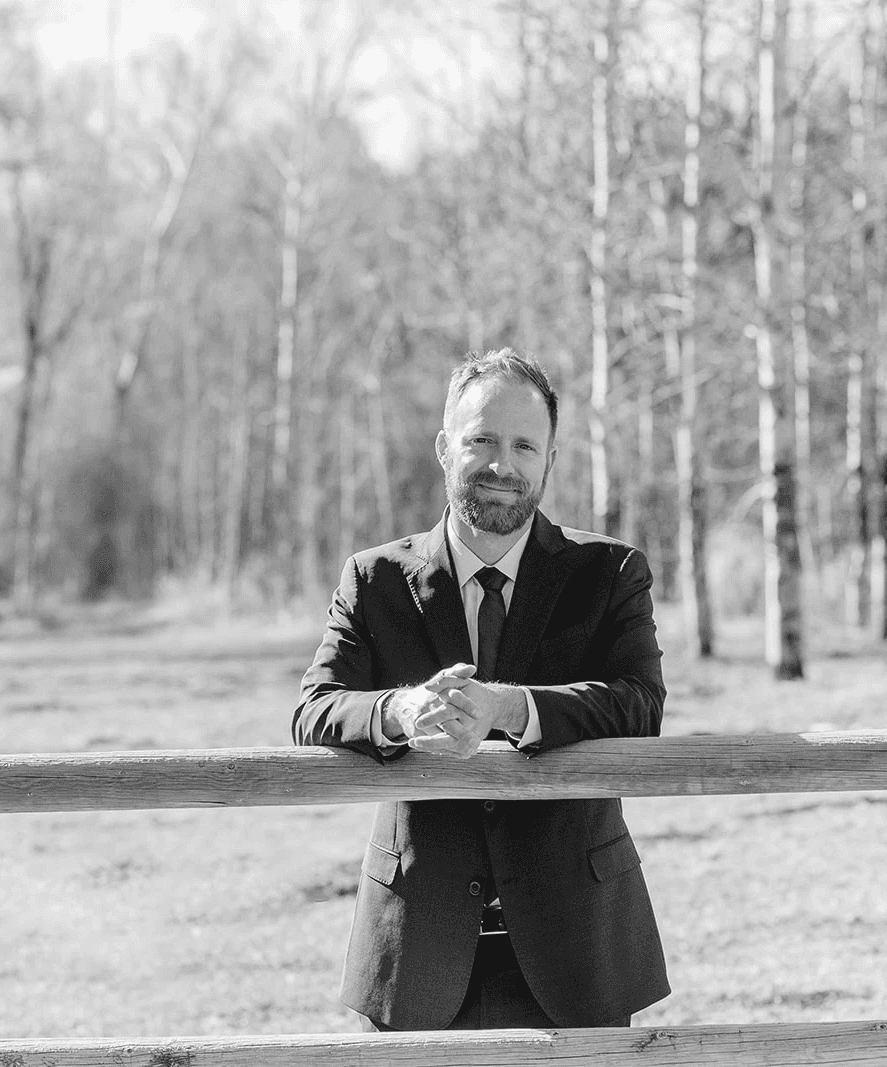
Nelson has tried insurance and insurance bad-faith cases across Colorado since 2010 — hail, wildfire and water losses in front of Western Slope juries, at the Colorado Court of Appeals, and in the negotiation rooms where most claims actually resolve. Other attorneys retain him as an expert witness on how claims should be handled. He has spent his whole career on one side of the table: the policyholder’s.
Best Lawyers “Lawyer of the Year,” Insurance Law (2×) · Chambers USA ranked · Colorado Super Lawyers Top 100 · Colorado Bar #42913
Based in Glenwood Springs. Serving the Western Slope: Aspen · Vail · Grand Junction · Montrose · Basalt — mountain-town claims handled by a mountain-town firm, not a Denver satellite.