When Property Damage Strikes: Your Path to Fair Insurance Settlement
Post date :

Founder, Western Slope Law





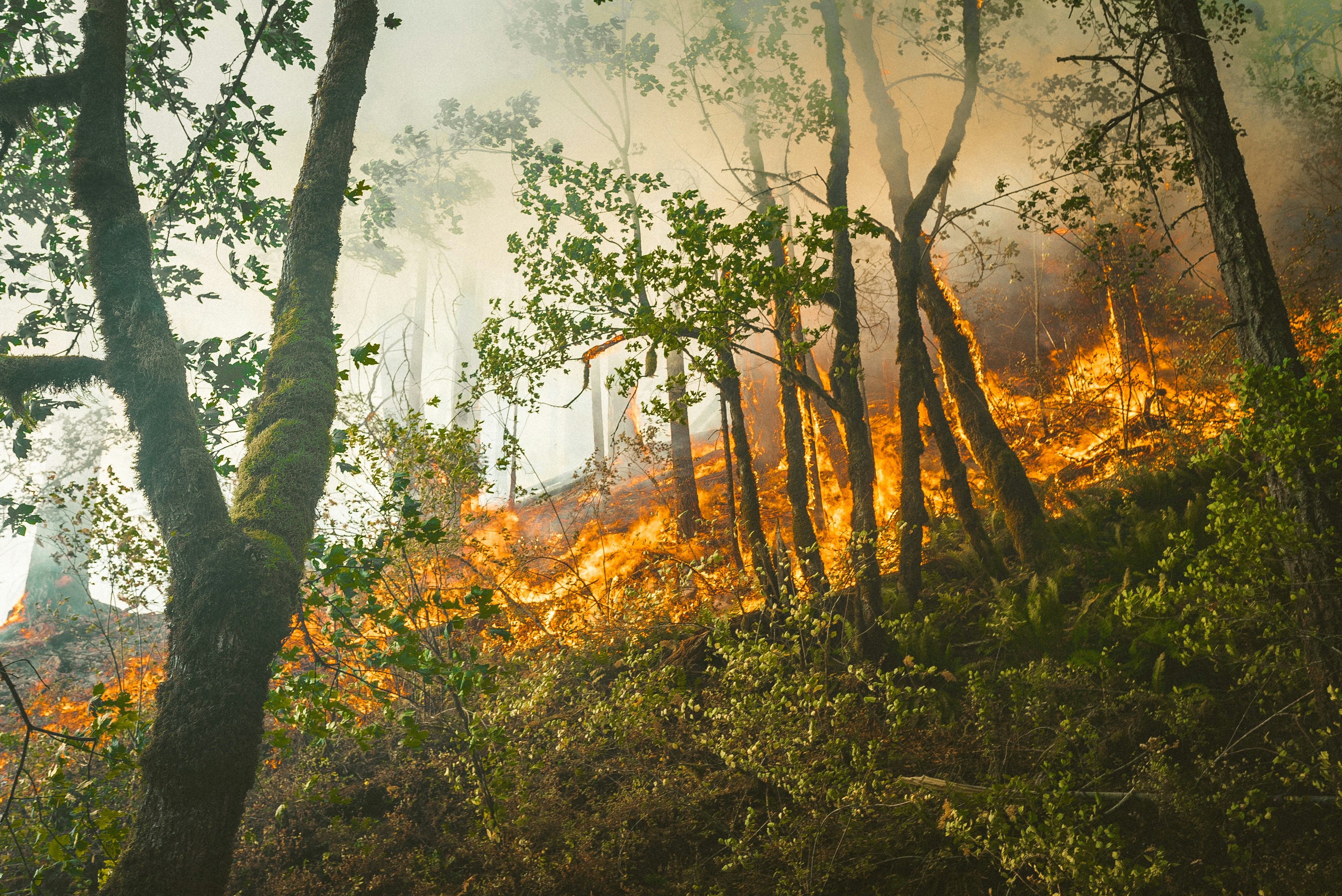
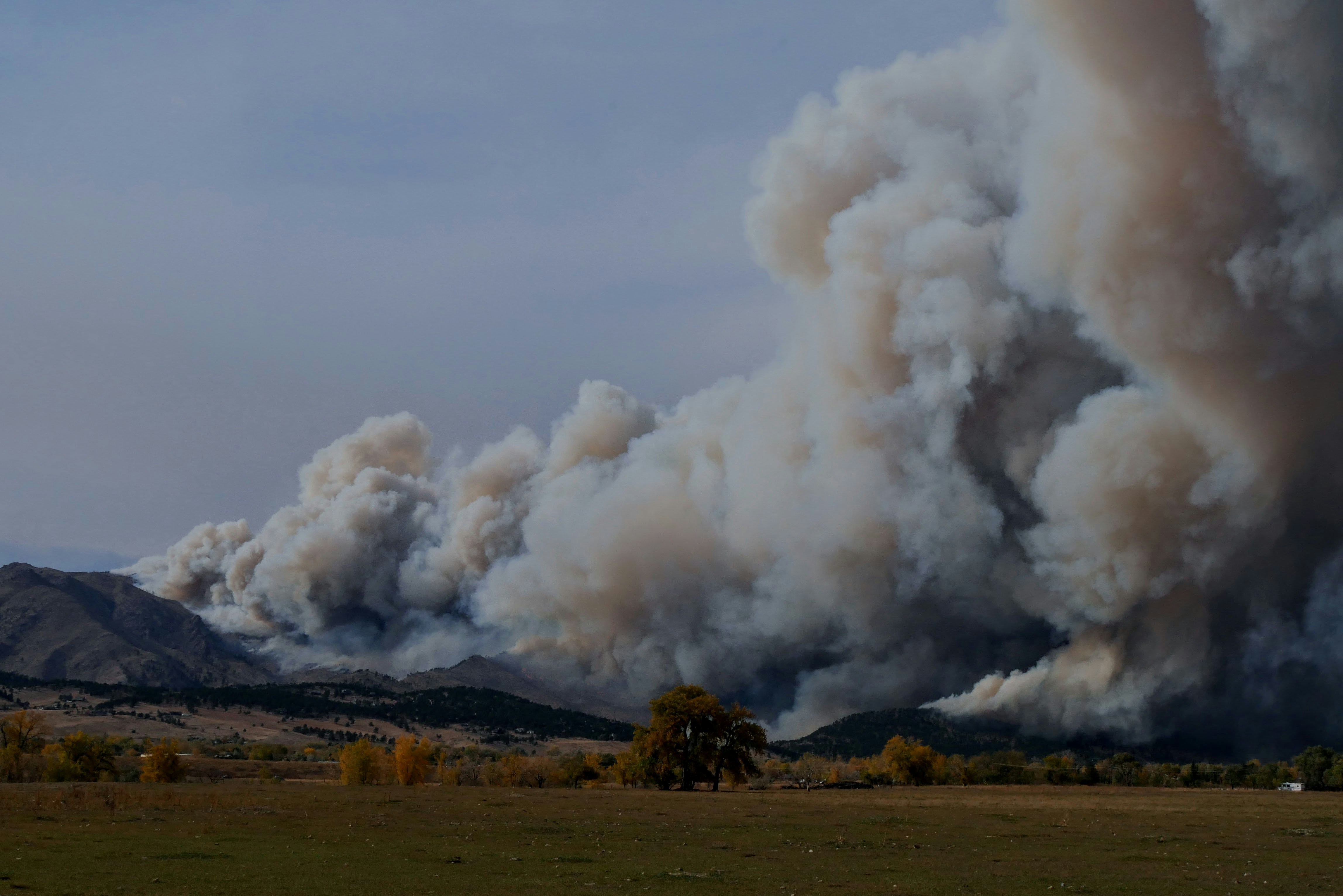
The wildfire smoke has infiltrated your home's HVAC system, leaving every surface coated in toxic residue. Your insurer's adjuster spent fifteen minutes walking through, took a few photos, and now their settlement offer barely covers surface cleaning when you need full remediation. This scenario plays out across Colorado daily, where property insurance lawyers see homeowners caught between devastating losses and insurance companies trained to minimize payouts.
The gap between what your policy promises and what insurers willingly pay has never been wider. According to the National Association of Insurance, property insurance claim disputes have increased since 2020, with denial and settlement amount ranking as the top two complaint categories. Colorado homeowners face unique challenges from wildfire smoke damage to hail storms that test even the most comprehensive policies.
The Hidden Leverage in Colorado Insurance Law
Colorado statute gives homeowners powerful tools that most never know exist. When an insurer unreasonably delays or denies your claim, you can recover not just your covered damages but also attorney fees and double the covered benefit amount. This isn't theoretical leverage—it's real financial exposure that transforms how insurers approach disputed claims.
Understanding Your Policy's True Scope
Insurance policies read like technical manuals because that's exactly what they are—binding contracts written to limit liability while appearing comprehensive. The difference between "sudden and accidental" water damage versus gradual seepage can mean a $30,000 coverage gap on a typical bathroom leak claim. Your policy might cover wildfire damage but exclude smoke infiltration unless specific endorsements apply.
Western Slope property owners face distinct coverage challenges. Mountain homes deal with freeze-thaw cycles that crack foundations, sudden snowmelt that overwhelms drainage systems, and wildfire risks that urban policies rarely contemplate. Each peril requires specific policy language, and insurers know exactly which phrases to invoke when denying coverage.
When Adjusters Cross Legal Lines
Insurance adjusters undergo extensive training in one primary skill: finding reasons to reduce claim values. They know homeowners rarely understand depreciation schedules, overhead and profit calculations, or matching requirements for materials. When an adjuster tells you that your 15-year-old roof only warrants patch repairs after hail damage, they're betting you won't know how to properly manage a dispute.
The law requires insurers to investigate claims promptly, communicate clearly, and settle valid claims fairly. Yet claim files reveal patterns of strategic delays, requests for redundant documentation, and lowball offers presented as final. A property insurance lawyer recognizes these tactics immediately and responds with statutory notices that shift the dynamic from delay to resolution.
Common Disputes That Demand Legal Intervention
Property damage claims fail for predictable reasons that skilled attorneys anticipate and counter. The Insurance Information Institute reports that wind and hail claims account for the largest share of homeowner losses, yet these claims face the highest dispute rates due to causation arguments and pre-existing damage allegations.
Navigating Denial and Delay Tactics
Claim denials rarely arrive as outright rejections. Instead, insurers employ sophisticated delay tactics disguised as reasonable requests. They'll ask for documentation you've already provided, require multiple inspections that reach conflicting conclusions, or simply stop responding to communications altogether. Each delay serves a purpose—frustrated homeowners often accept inadequate settlements just to end the process.
Colorado law sets specific timeframes for insurer responses. They must acknowledge claims within 10 business days, make coverage decisions within 30 days, and provide written explanations for any denials. When insurers violate these deadlines, each day creates additional legal exposure under bad faith statutes.
The Mathematics of Underpayment
Settlement calculations hide countless opportunities for manipulation. Your adjuster's estimate might exclude code upgrades required by local building departments, use depreciation formulas that undervalue property, or apply deductibles to categories where they don't belong. A property insurance lawyer trained in construction costs and estimating software can identify discrepancies worth thousands.
Consider overhead and profit—legitimate contractor charges that insurers routinely exclude from initial settlements. On a $50,000 roof replacement, adding proper overhead and profit increases the settlement by $10,000 or more. Yet adjusters present estimates as complete, hoping homeowners won't recognize these missing elements.
Coverage Interpretation Battles
Modern insurance policies contain exclusions within exclusions, creating coverage mazes that challenge even experienced attorneys. Anti-concurrent causation clauses attempt to eliminate coverage when excluded and covered perils combine. Water damage exclusions differentiate between sources, heights, and velocities of water in ways that defy common understanding.
Your home suffers ice dam damage when snow melts and refreezes at the roof edge, forcing water under shingles. The insurer denies coverage citing gradual damage exclusions, ignoring that the proximate cause—ice damming—resulted from covered winter storm conditions. These interpretation battles require attorneys who understand both construction science and legal precedent.
Building Stronger Claims Through Strategic Advocacy
Effective claim presentation begins before you file. A property insurance lawyer structures your claim to anticipate and defeat common denial strategies, creating documentation trails that support coverage rather than inadvertently limiting it.
Evidence Collection That Wins
Insurers maintain professional claim files with every communication logged and analyzed. Your evidence must meet or exceed their standards. This means timestamped photographs from multiple angles, moisture readings logged over time, expert reports that address causation directly, and contractor estimates using industry-standard pricing software.
The Colorado Division of Insurance emphasizes thorough documentation as crucial for claim success. Yet most homeowners provide smartphone photos and handwritten lists, creating evidentiary gaps insurers exploit. Legal representation ensures evidence quality that insurers cannot reasonably dispute.
Strategic Communication Protocols
Every word spoken to an adjuster becomes part of your claim record. Casual comments about pre-existing conditions, maintenance issues, or timeline uncertainties transform into claim denial ammunition. Attorneys manage all insurer communications, ensuring messages stay consistent, strategic, and legally sound.
Written communication proves especially critical. Demand letters citing specific statutes, accompanied by organized evidence packages, demonstrate serious intent to pursue all available remedies. Insurers treat represented claimants differently because the cost calculation changes—bad faith exposure makes reasonable settlements suddenly attractive.
Maximizing Recovery Values
Beyond securing coverage, skilled attorneys maximize claim values through comprehensive damage assessment. They identify code upgrades that policies must cover, demonstrate why matching requirements trigger full replacement rather than patches, and ensure temporary living expenses reflect actual costs rather than arbitrary limits.
Recovery maximization extends to timing. Accepting partial payments without proper reservations can limit future recovery. Failing to document continuing damages might bar supplemental claims. Attorneys protect these rights while advancing immediate needs, ensuring today's decisions don't compromise tomorrow's recovery.
Taking Control of Your Insurance Recovery
Insurance companies train adjusters to protect corporate profits, deploy software designed to minimize payments, and rely on policyholder inexperience to avoid obligations. You deserve better than form letters and arbitrary denials when disasters strike your most valuable assets.
Property insurance lawyers level these playing fields by applying legal leverage insurers must respect. They transform vague policy language into clear coverage obligations, convert lowball offers into fair settlements, and ensure Colorado's protective statutes actually protect Colorado homeowners.
Your property damage claim represents more than paperwork and procedures—it's your path back to normalcy after devastating loss. Whether wildfire smoke contaminated your home, hailstorms destroyed your roof, or water damage threatens your foundation, you have rights worth protecting and remedies worth pursuing. The question isn't whether you can afford legal representation, but whether you can afford to proceed without it.
You're not alone.
Work with an award-winning, experienced lawyer who can make a difference in your case.
Award-winning representation across Colorado's most complex injury and insurance cases.